Introduction & Background
The world has experienced rapid changes in the past few years, reshaping how we live, work, and interact with our surroundings. The phrase “new normal” has become more than just a buzzword, it now reflects a fundamental shift in lifestyle trends that prioritize flexibility, sustainability, and well-being. This transformation is driven by technological advancements, global challenges, and evolving consumer preferences. Understanding these shifts is essential for individuals seeking to adapt and thrive in this evolving landscape, as well as for businesses aiming to meet the demands of a more conscious and connected society.
Concept & Overview
The “new normal” in modern living refers to the collective lifestyle adjustments that have emerged in response to recent global events and long-term societal trends. It encompasses a holistic approach to daily life, focusing on mental and physical health, environmental responsibility, and digital integration. Rather than a temporary phase, this concept represents a lasting evolution in how people structure their routines, make purchasing decisions, and engage with their communities. The core principles include adaptability, mindfulness, and a balanced integration of technology and human connection.
Key Features & Highlights
- Digital-First Living: Technology has become central to daily routines, from remote work and virtual learning to digital health monitoring. The reliance on smartphones, smart home devices, and AI-powered tools has redefined convenience and accessibility.
- Sustainable Lifestyles: Consumers are increasingly prioritizing eco-friendly products, zero-waste practices, and ethical consumption. This shift reflects a growing awareness of environmental impact and a desire to reduce carbon footprints.
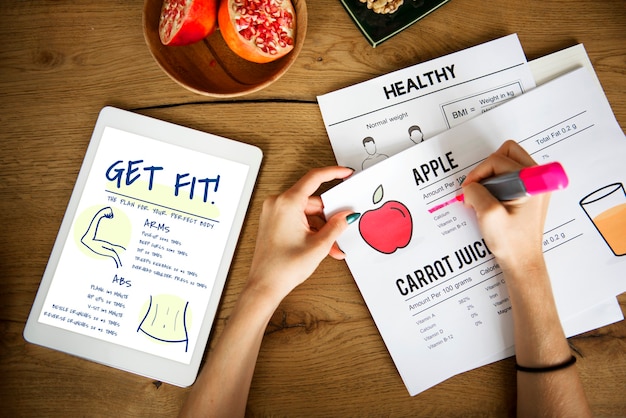
- Wellness as a Priority: Mental health and physical well-being have taken center stage, with more people adopting mindfulness practices, fitness routines, and balanced diets. The focus on holistic health extends beyond physical wellness to include emotional and social well-being.
- Hybrid Work Models: The traditional 9-to-5 office setup has evolved into flexible work arrangements, including remote work, hybrid schedules, and freelance opportunities. This shift has enabled better work-life balance and geographic independence.
- Community-Centric Living: There is a renewed emphasis on local engagement, supporting small businesses, and fostering neighborhood connections. This trend highlights the importance of human relationships in an increasingly digital world.
- Personalized Experiences: Customization has become a key expectation in products and services, from personalized meal plans and fitness programs to tailored entertainment options. Technology plays a crucial role in delivering these individualized experiences.
Frequently Asked Questions / Pros & Cons
What are the main advantages of the new lifestyle trends?
The new lifestyle trends offer several benefits, including greater flexibility in work and personal schedules, improved access to health and wellness resources, and a stronger connection to sustainable practices. Many people report higher levels of satisfaction due to better work-life balance and the ability to tailor their routines to their unique needs. Additionally, the emphasis on digital tools has made information and services more accessible than ever before.
What are the potential drawbacks of these changes?
While the new normal brings many advantages, it also presents challenges. The increased reliance on technology can lead to digital fatigue, social isolation, and reduced face-to-face interactions. Sustainability efforts may require significant lifestyle adjustments and financial investment. Additionally, the blurred lines between work and personal life in hybrid models can result in burnout if not managed properly. Privacy concerns and the spread of misinformation are also issues that come with greater digital integration.
How can individuals adapt to these lifestyle changes?
Adapting to the new normal involves a combination of self-awareness, intention, and practical strategies. Start by identifying which trends align with your personal values and goals. Gradually incorporate changes into your routine, such as setting boundaries for digital use or exploring sustainable alternatives. Seek out communities and resources that support your journey, whether through wellness programs, remote work networks, or local sustainability initiatives.
Practical Guidance & Solutions
To successfully navigate the new normal, begin by evaluating your current habits and identifying areas for improvement. If remote work is part of your routine, create a dedicated workspace to separate professional and personal life. For those focusing on sustainability, start small by reducing single-use plastics or supporting local farmers. Wellness can be enhanced by scheduling regular breaks, practicing mindfulness, or joining online fitness classes. Stay informed about digital tools that streamline daily tasks, but also prioritize unplugging to recharge. Lastly, foster connections by participating in virtual or in-person community events to maintain a sense of belonging.
Conclusion
The new normal represents a dynamic and multifaceted evolution in modern living, one that challenges us to rethink traditional norms while embracing innovation and responsibility. By understanding the core trends and proactively adapting our lifestyles, we can create a future that balances progress with well-being. Whether through sustainable choices, digital integration, or prioritizing health, each individual has the power to shape this new era. The key lies in staying informed, remaining flexible, and making intentional decisions that align with personal and collective values. As we move forward, the new normal will continue to unfold, offering endless opportunities for growth and connection.