Introduction & Background
In a world where change is the only constant, staying ahead means understanding the forces shaping tomorrow’s lifestyles today. The rapid evolution of technology, shifting cultural norms, and environmental challenges are redefining how we live, work, and interact. From the rise of digital nomadism to the growing emphasis on sustainability, the way we approach daily life is undergoing a profound transformation. This article explores the emerging trends that are not just predictions but realities already influencing our choices. By recognizing these shifts early, individuals and businesses can adapt, thrive, and lead rather than follow. The future is not a distant concept but a landscape being built right now.
Concept & Overview
The idea of “riding the wave” of lifestyle trends refers to the ability to anticipate and align with the cultural, technological, and societal movements that are reshaping modern living. It is not about passive observation but active participation in the evolution of how we eat, shop, travel, and connect. At its core, this concept revolves around three pillars: innovation, adaptability, and intentionality. Innovation drives the creation of new products and services that cater to emerging needs, while adaptability ensures individuals and organizations can pivot as conditions change. Intentionality, the third pillar, emphasizes making conscious choices that align with personal values and long-term goals. Together, these elements form a framework for navigating the complexities of a rapidly shifting world.
Key Features & Highlights
- Digital Integration: Technology is seamlessly woven into daily routines, with smart devices, AI assistants, and virtual platforms becoming essential tools for productivity and leisure.
- Sustainable Living: Eco-conscious choices are no longer optional but expected, from zero-waste lifestyles to renewable energy adoption and ethical consumption.
- Flexible Workspaces: The traditional office is evolving into hybrid models, co-working spaces, and remote setups, prioritizing flexibility and work-life balance.
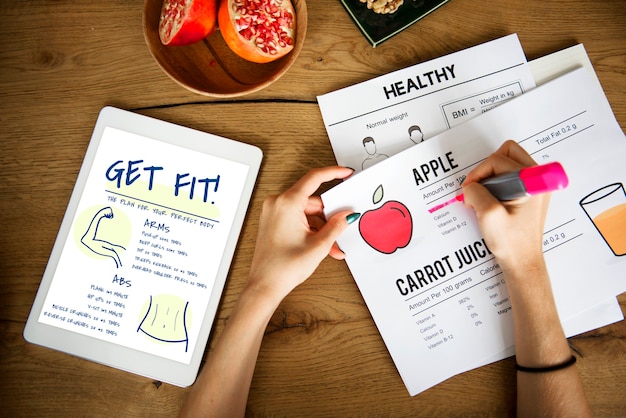
- Health & Wellness Focus: Mental and physical well-being are taking center stage, with trends like mindfulness, personalized nutrition, and fitness tech gaining momentum.
- Community-Centric Lifestyles: People are seeking stronger connections, whether through local initiatives, digital communities, or shared living arrangements like co-housing.
- Personalization & Customization: Tailored experiences, from clothing to entertainment, are becoming the norm as consumers demand products and services that reflect their unique identities.
- Minimalism & Decluttering: A shift away from material excess is driving demand for simplicity, capsule wardrobes, and experiences over possessions.
Frequently Asked Questions / Pros & Cons
What are the main drivers behind these lifestyle trends?
Several factors are fueling these changes. Technological advancements, such as artificial intelligence and the Internet of Things, are creating new possibilities for convenience and connectivity. Societal shifts, including increased awareness of climate change and social justice, are pushing individuals toward more ethical and sustainable lifestyles. Additionally, the COVID-19 pandemic accelerated many trends, particularly in remote work and digital communication, proving that adaptability is key to resilience.
Are these trends accessible to everyone, or do they favor certain demographics?
While some trends may appear exclusive due to cost or availability, many are becoming increasingly accessible. For instance, sustainable living can start with small steps like reducing single-use plastics or supporting local businesses. Digital tools that enhance productivity or wellness are also becoming more affordable and user-friendly. However, disparities do exist, and addressing them requires systemic changes in education, infrastructure, and policy to ensure equitable access.
What are the potential drawbacks of following these emerging trends?
One of the primary challenges is the pressure to constantly adapt, which can lead to decision fatigue or burnout. For example, the rapid turnover of trends in fashion or technology may encourage overconsumption, counteracting sustainability efforts. Additionally, the reliance on digital platforms can sometimes erode face-to-face interactions, impacting mental health. It is essential to strike a balance, adopting trends that align with personal values rather than blindly following every new fad.
How can businesses leverage these trends for growth?
Businesses that stay ahead of the curve can capitalize on emerging demands by innovating their products and services. For instance, companies focusing on sustainability can attract eco-conscious consumers by offering transparent supply chains and eco-friendly packaging. Similarly, brands that prioritize wellness can develop products that promote health, such as organic foods or fitness apps. The key is to listen to consumer needs and be willing to pivot when necessary, turning challenges into opportunities for growth.
Practical Guidance & Solutions
Adapting to future lifestyle trends does not require drastic overhauls but rather mindful adjustments. Start by identifying which trends resonate most with your values and priorities. For example, if sustainability is important, begin with small changes like reducing waste or investing in reusable products. If flexibility in work is a goal, explore remote work options or set up a dedicated workspace at home. Technology can be a powerful ally, so leverage apps and tools that streamline daily tasks or enhance well-being.
For businesses, staying informed about industry reports and consumer behavior is crucial. Engage with your audience through surveys or social media to understand their evolving needs. Collaborate with innovators and thought leaders to stay ahead of the curve. Additionally, foster a culture of adaptability within your organization, encouraging employees to embrace new tools and methodologies. By taking intentional steps, both individuals and businesses can navigate the wave of change with confidence.
Conclusion
The future of lifestyle trends is not a distant vision but a present reality, shaped by the choices we make today. By understanding the forces driving these changes, we can position ourselves to thrive in an ever-evolving world. Whether it is embracing sustainability, leveraging technology, or prioritizing wellness, the key lies in intentionality and adaptability. The wave of change is already here, and those who ride it wisely will not only survive but flourish. As we move forward, let us remember that the future is not something we wait for but something we actively create, one mindful decision at a time.